-
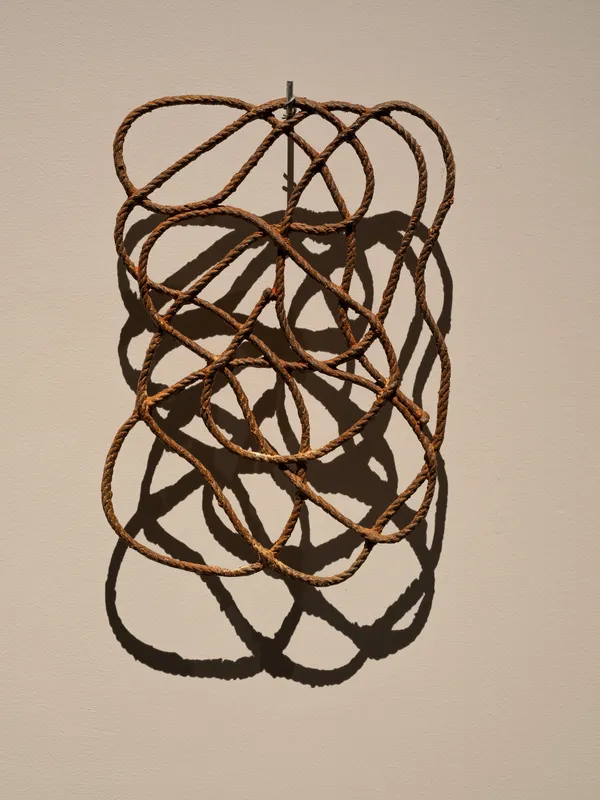
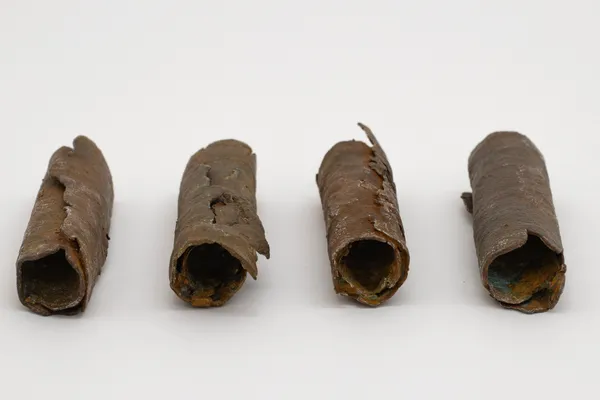
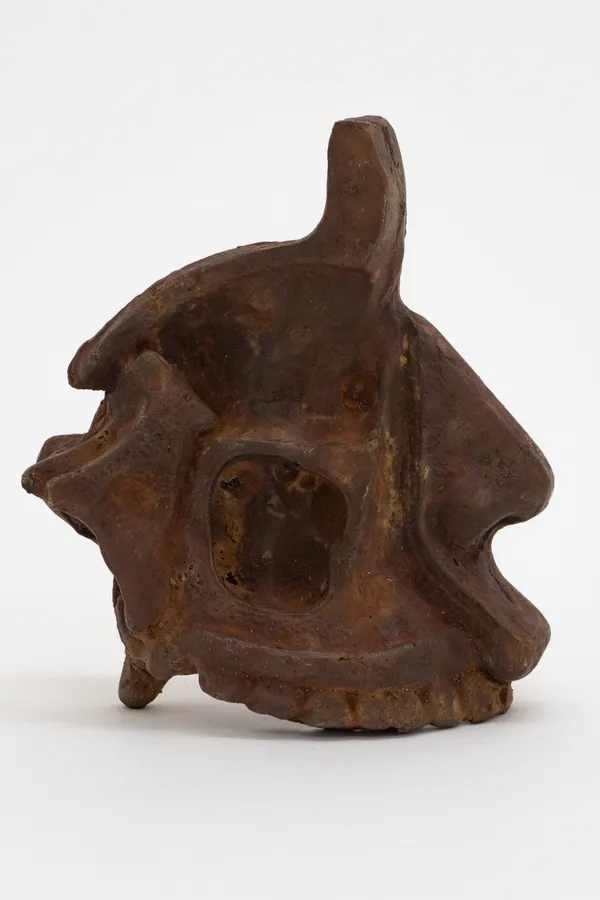
The Shadow of Lustre is the first solo presentation in Switzerland by internationally recognized artist Amol K Patil. The artist exhibits bronze sculptures, paintings, drawings and video works, in the pulsating lights of his poetic installations. The artist explores issues concerning the Indian caste and class system, and the invisibility of the working class in social narratives. The exhibition was created in collaboration with Röda Sten Konsthall in Gothenburg, Sweden in 2025, curated by Amila Puzić.
This is a new chapter of the exhibition that focuses on the experiences of Dalits, members of the lowest caste in India, who moved from villages to cities and settled in the working-class neighborhoods of the artist's hometown of Mumbai.
-
‘‘The idea of the exhibition is based on seeing and experiencing the traces of human history, lives and conversations of different generations behind wall cracks, through layers of paint, across skin and touch.’’- Amol K Patil
-
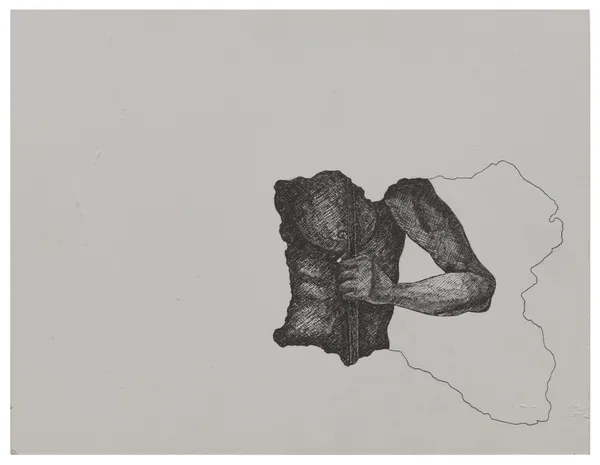
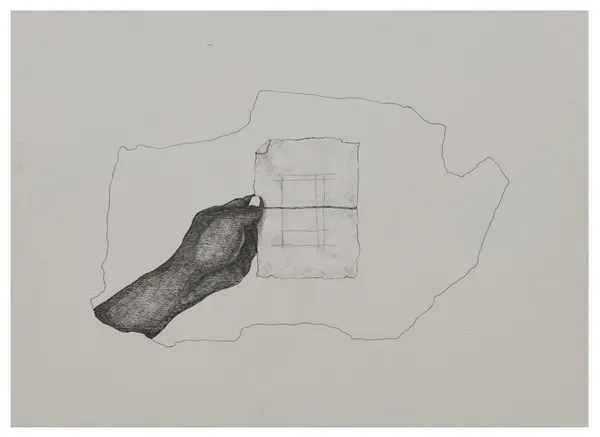
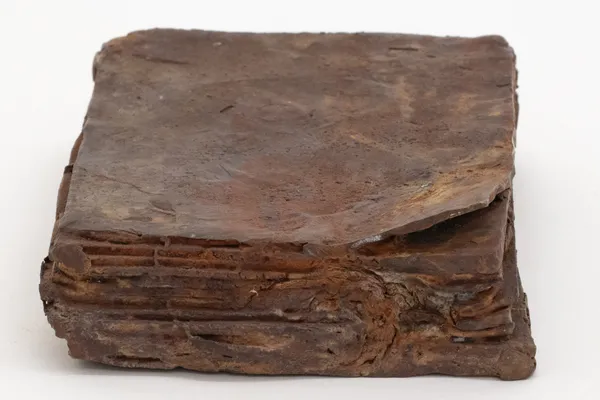
The first exhibition space is dedicated to the series The Shadow of Lustre (2025) which unfold across stage-like constructions: eight paintings, executed in ink on water-based paint on MDF, eighteen bronze sculptures, on video projection and one video installation showing parts of the human body —hands, feet, arms, torso — and traces of their labor. This body of work is grounded in the Mumbai’s mass housing complexes called “chawls” and the stories told by various individuals from the book One Hundred Years and One Hundred Voices. Dense housing structures with long corridors lined by small rooms, primarily inhabited by mill workers and working-class families who migrated to the city in search of stable livelihoods and a future for the next generation. These spaces are not merely residences but social environments where lives unfold collectively. With little privacy, domestic life spills into shared corridors; bodies, voices, and gestures intermingle. The walls bear layers of colors from different generations; the corners harbor secrets, and the kitchen still carries the aroma of freshly ground spices.
-

-
-
-
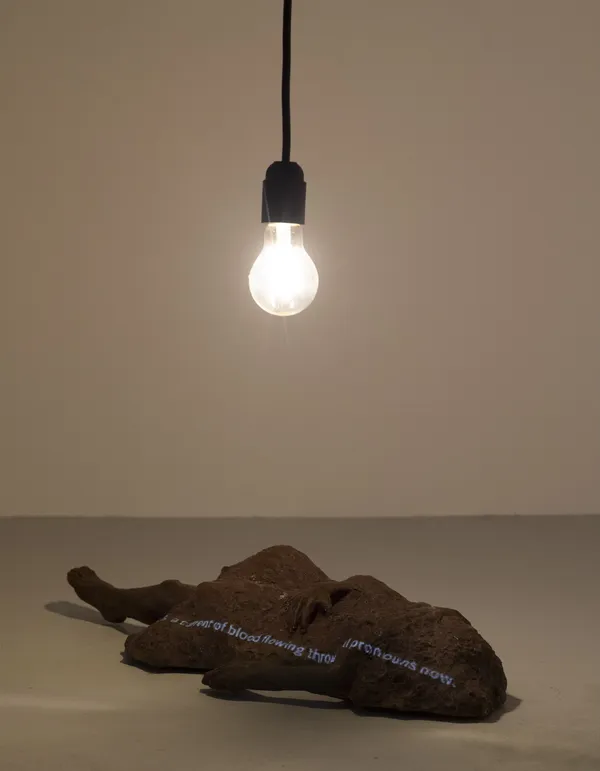
In the third and final space of the exhibition, the sculpture The Shadow of Lustre I is on display, illuminated by a single bulb suspended above it. The sculpture deliberately preserves a rough surface reminiscent of human skin worn by intensive labor. The multiple footprints at the bottom of the sculpture represent the miles people having walked from villages to big cities. In so doing, they protested through music, theater, poetry and spoken word, raising social awareness, demanding a recognition, and challenging caste hierarchies.
-
Throughout the exhibition, light plays a crucial role and subtly and meaningfully links the works. Simple bulbs, theatrical darkness, and gentle illumination create an atmosphere in which figures appear and recede, hovering between visibility and obscurity. The title The Shadow of Lustre points to this tension: lustre as shimmer, promise, or brightness, and shadow as its necessary counterpart.
-
-
Galerie Peter Kilchmann
Zahnradstrasse 21, Zurich
, 27 February - 23 May 2026











Be the first to know updates about Galerie Peter Kilchmann
* denotes required fields
We will process the personal data you have supplied to communicate with you in accordance with our Privacy Policy. You can unsubscribe or change your preferences at any time by clicking the link in our emails.


Be the first to know updates about Galerie Peter Kilchmann
* denotes required fields
We will process the personal data you have supplied to communicate with you in accordance with our Privacy Policy. You can unsubscribe or change your preferences at any time by clicking the link in our emails.